
Switchgear & Protection Systems
Electrical switchgear and protection systems rely on highly reliable electrical contact materials and electromechanical components to ensure safe power distribution, switching performance and long-term operational durability.
STPM provides technical sourcing solutions for electrical contact materials, precious metal alloys and components used in switchgear, contactors, circuit breakers and industrial protection systems operating in harsh environments.
We support manufacturers, maintenance teams and industrial operators requiring reliable sourcing for critical electrical applications.
Electrical components used in Switchgear applications
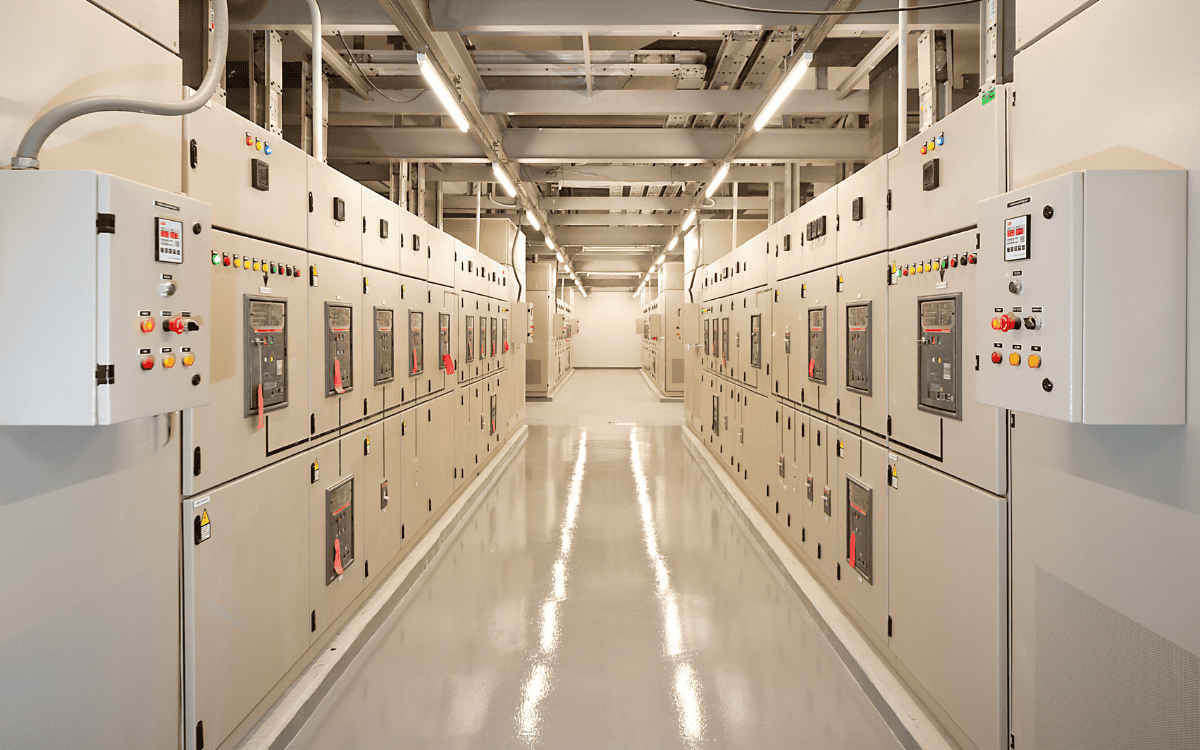
Electrical switchgears are used to control, protect and isolate electrical systems across industrial and transportation sectors.
Switchgear assemblies often contain multiple electrical components requiring durable and reliable contact materials.
Typical switchgear equipment includes:
- circuit breakers
- disconnectors
- contactors
- protection relays
- earthing switches
- busbar systems
STPM supports sourcing requirements for materials and components used in demanding switchgear environments where performance and reliability are critical.
Contactors & Switching Equipment
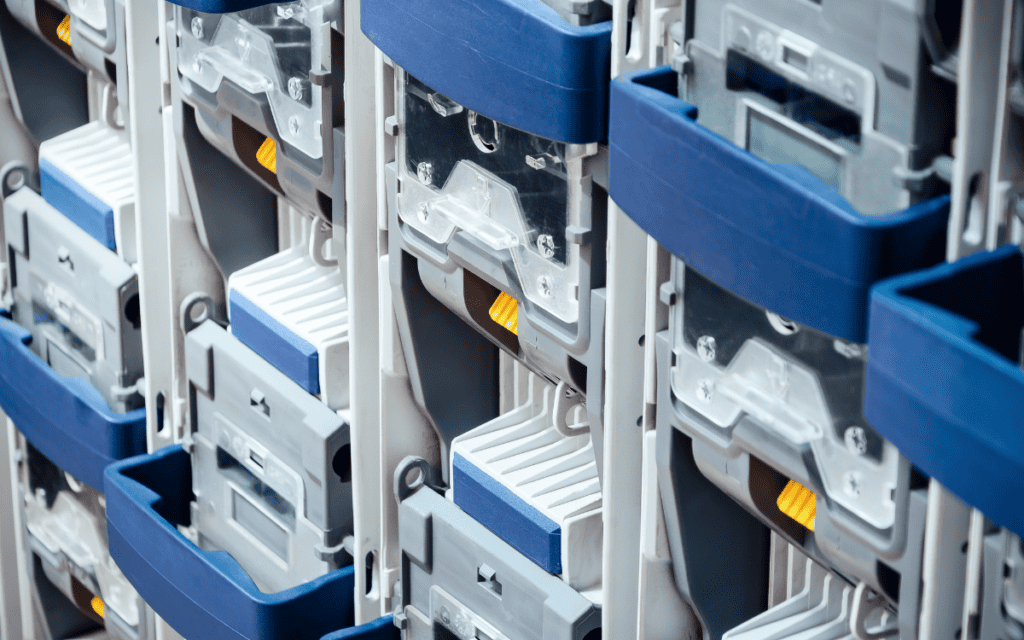
Electrical contactors are designed for repetitive switching operations in industrial systems.
They are commonly used in:
Motor control systems — Industrial automation — Railway systems — HVAC systems — Energy infrastructure.
Because contactors are exposed to repeated switching cycles, materials must resist against electrical arcing, contact welding, thermal stress, wear and erosion
STPM supports sourcing for contact materials and electromechanical components adapted to demanding switching applications.
Circuit Breakers & Protection Devices
Circuit breakers are designed to protect electrical systems against overloads and short circuits. When interruption occurs, electrical arcs generate significant thermal and mechanical stress on contact materials.
This requires components capable of delivering:
- arc resistance
- long switching endurance
- stable electrical conductivity
- high reliability in demanding environments
STPM supports industrial sourcing requirements for components used in low, medium and high voltage breaker systems.
Discuss your technical sourcing requirements
Looking for electrical contact materials or components used in switchgear and protection systems ?
STPM Solutions for SWITCHGEAR & PROTECTION SYSTEMS
Frequently Asked Questions
What is a Switchgear?
The term “switchgear” includes a large spectrum of switching devices, like electrical disconnect switches, fuses, or circuit breakers, all with a common goal—to control, protect, and isolate power systems.
Switchgears feature a design that intends to defend equipment connected to a power supply from the threat of electrical overload. In addition, they can de-energize equipment to allow work to be done safely and clear faults downstream.
What kind of contact materials are used in switchgear applications ?
Switchgear systems commonly use materials such as AgSnO₂, AgNi or silver tungsten, depending on switching conditions and arc resistance requirements.
Which type of industries use switchgear systems?
Switchgear is widely used in railway systems, industrial facilities, energy infrastructure, transportation and manufacturing environments.
What is a Circuit Breaker?
Circuit breakers are an essential sub-system in an electrical system. Composed of an external casing, electrical contacts, electrical arc chamber, main operating mechanisms, and trip elements, they are electrical switches designed to protect an electrical circuit from damage due to a short circuit or overcurrent/overload.
The switch monitors the electrical current flowing through the circuit and automatically interrupts the flow in case of a short or overload. These devices are a vital part of electrical systems in various scenarios, from residential to commercial and industrial.
What is the best contact material for circuit breaker ?
Material selection depends on voltage level, current load, switching frequency, arc intensity and environmental constraints.
The most common materials include:
- Silver Tin Oxide (AgSnO₂): widely used in low-voltage circuit breakers because of its strong resistance to electrical arc erosion, excellent welding resistance, and good performance under high inrush currents.
- Silver Nickel (AgNi): commonly used in applications requiring high electrical conductivity and stable switching performance. It offers lower contact resistance but lower arc erosion resistance than AgSnO₂.
- Silver Tungsten (AgW): preferred in heavy-duty switching applications with severe arcing conditions. Its high hardness and thermal resistance make it suitable for high-current interruption.
- Copper Tungsten (CuW): often used in medium- and high-voltage systems due to its ability to withstand extreme thermal stress and arc energy.
- Pure Copper (Cu): sometimes used for conductive elements, but rarely as the primary contact material in high-duty breakers because of its lower arc resistance and tendency to weld. The choice of contact material directly affects electrical lifetime, switching reliability, contact wear, and thermal performance.